
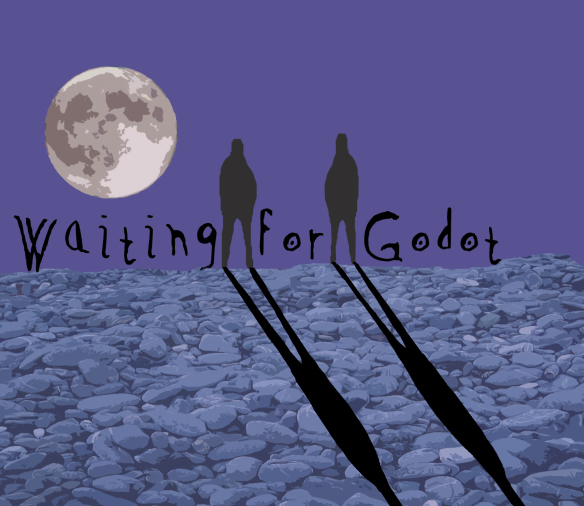
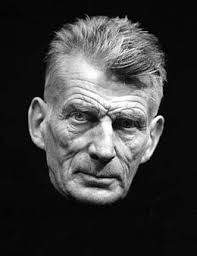
 In these last years I have noticed that my students’ approach to Beckett‘s “Waiting for Godot“, has changed, or better, improved. It seemed as if they as if they could recognize in its obscure, fragmented language and complex themes something somewhat “familiar”. Strange indeed. You know, my “audience” is mostly composed of students of about nineteen, who are about to graduate and naturally look at their future with the defying eyes of optimism and youth. How can it be that such themes as the absurdity and the meaninglessness of living and the absence of prospects, typical of modern existentialism, might become all of sudden “attractive”, when it is Beckett to speak rather that Eliot, for example? Besides, the plot of Waiting for Godot can’t be actually defined captivating: two men who keep on waiting for another man, who will never show up for two acts. That is all.
View original post 331 more words


 Viv Drewa - The Owl Lady